 Core Dash
From: 12/2025 - To: Present - (4 Months)
Personal project (independent)
At home in the south of France
Core Dash
Redefining Development in the Era of Vibe Coding
Abstract
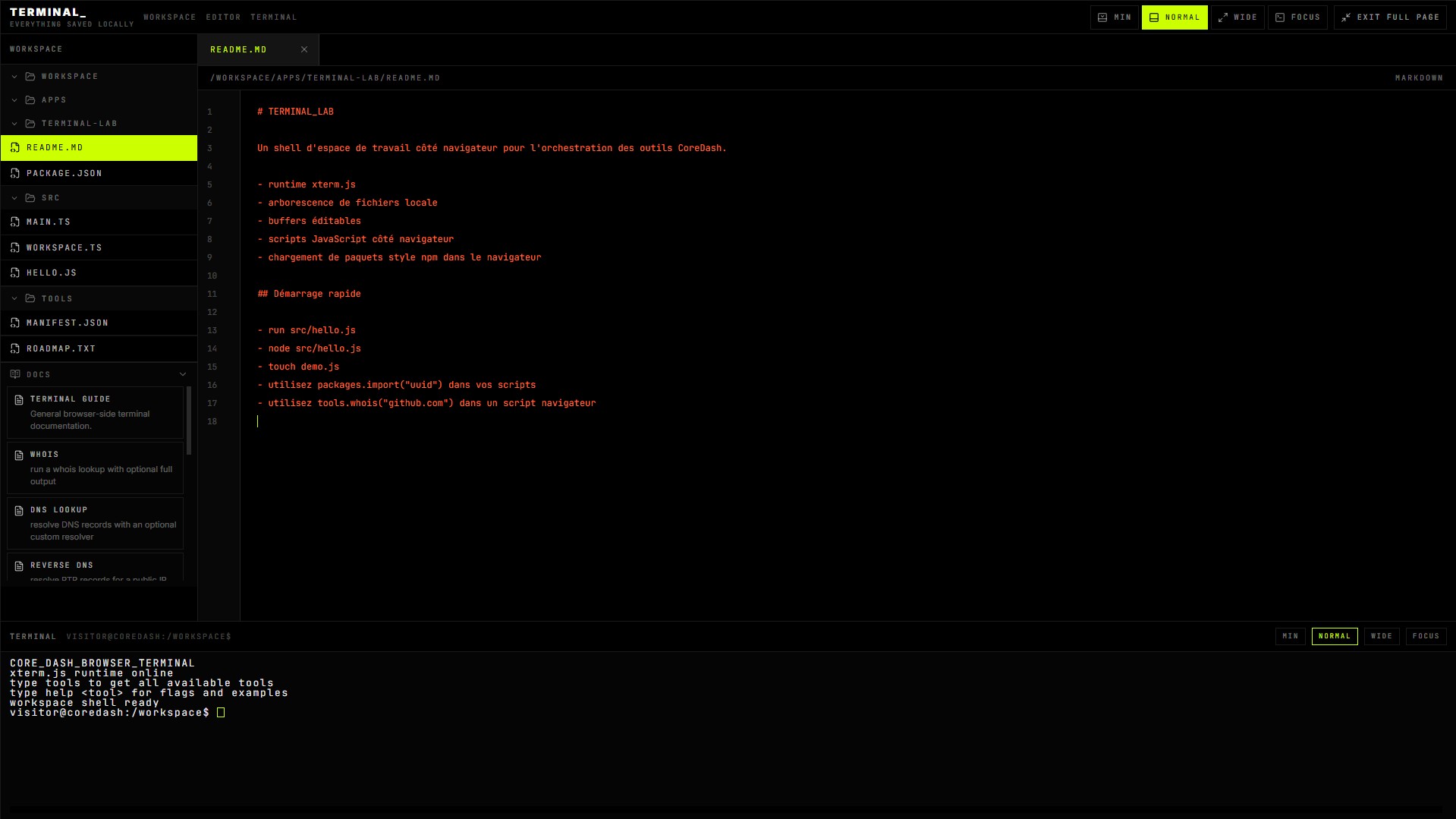
Core Dash (core-dash.com) is a platform of tools designed to deliver an optimal, unified, and intelligent experience. This project marks a break from traditional development methods: it is entirely “vibe coded.” Instead of writing every line of code manually, the project is the result of a precise orchestration of advanced AI agents (Claude, Gemini), where the developer acts as a conductor and supervisor, ensuring that the vision and business logic remain coherent despite the blazing-fast execution speed.
Company
- Project Type: Independent personal project.
- Developer: Sébastien Aglaé (Solo).
- Philosophy: Maximizing human productivity through intelligent automation. Humans are no longer just “coders,” but solution architects supervising production agents.
Tech Stacks

Github Copilot

Google Antigravity

Claude 4.6 Opus

Gemini 3.1 Pro
Gemini 3.1 Flash

GPT 5.4
Nano Banana 2
JavaScript

TypeScript

React

Next.js

Shadcn UI

Tailwind

Framer Motion

Radix UI

Lucide React

d3.js
Recharts

Highlight.js

Zustand
Next-Intl

Zod
C#

.NET
YARP (Reverse Proxy)

gRPC

PostgreSQL

MongoDB
Redis
Argon2 (Isopoh)

Docker

GitHub Actions

Protobuf
Core Dash, or the Art of Agent Orchestration
The “Vibe Coding” Paradigm
The development of Core Dash is based on the concept of Vibe Coding. In the era of generative AI, coding is no longer just about mastering syntax, but about conveying a clear and structured intention (a “vibe”) to powerful tools such as GitHub Copilot Agent and Google Antigravity.
In this workflow, I use natural language and high-level architectural concepts to guide software production. However, vibe coding does not mean a lack of control: it requires careful supervision to ensure that the AI does not drift away from the complex business logic required for a dashboarding platform.
AI Agent Orchestration: The Developer as a Conductor
For Core Dash, AI agents are not simple autocomplete tools, but production partners that I orchestrate strategically:
- Claude 4.6 Opus: Used for deep architectural reasoning and solving complex logical problems.
- Gemini Pro & Flash: Used for rapid component generation, debugging, and high-frequency iteration.
- Human Supervision: Every module generated by an agent is reviewed, tested, and validated by me. I do not blindly execute what the AI suggests; I verify the consistency of every commit to guarantee the robustness of the final project.
Visual Identity and AI Generation
The visual identity of Core Dash, including its logo and visual assets, was designed using Nano Banana Pro. This approach enables instant creative iteration, aligning the site’s aesthetics with its cutting-edge technological nature. Using dedicated image generation models makes it possible to achieve a professional and unique result while remaining within a 100% AI-assisted workflow.
AI Skills: A New Asset
The success of Core Dash does not rely solely on code, but on the AI skills developed throughout the project:
- Advanced Prompt Engineering: Knowing how to structure requests to obtain modular and reusable code.
- Context Management: Maintaining global project coherence while different agents work on separate segments.
- Critical Validation: Identifying code “hallucinations” or outdated security patterns suggested by models.
Conclusion: A Personal Vision of the Future
Core Dash proves that a single developer, equipped with the right AI tools and a rigorous supervision methodology, can build complex platforms at a speed once reserved for entire teams. It is a project that does not merely display data, but embodies a new way of designing software: faster, more intuitive, and firmly oriented toward artificial intelligence.
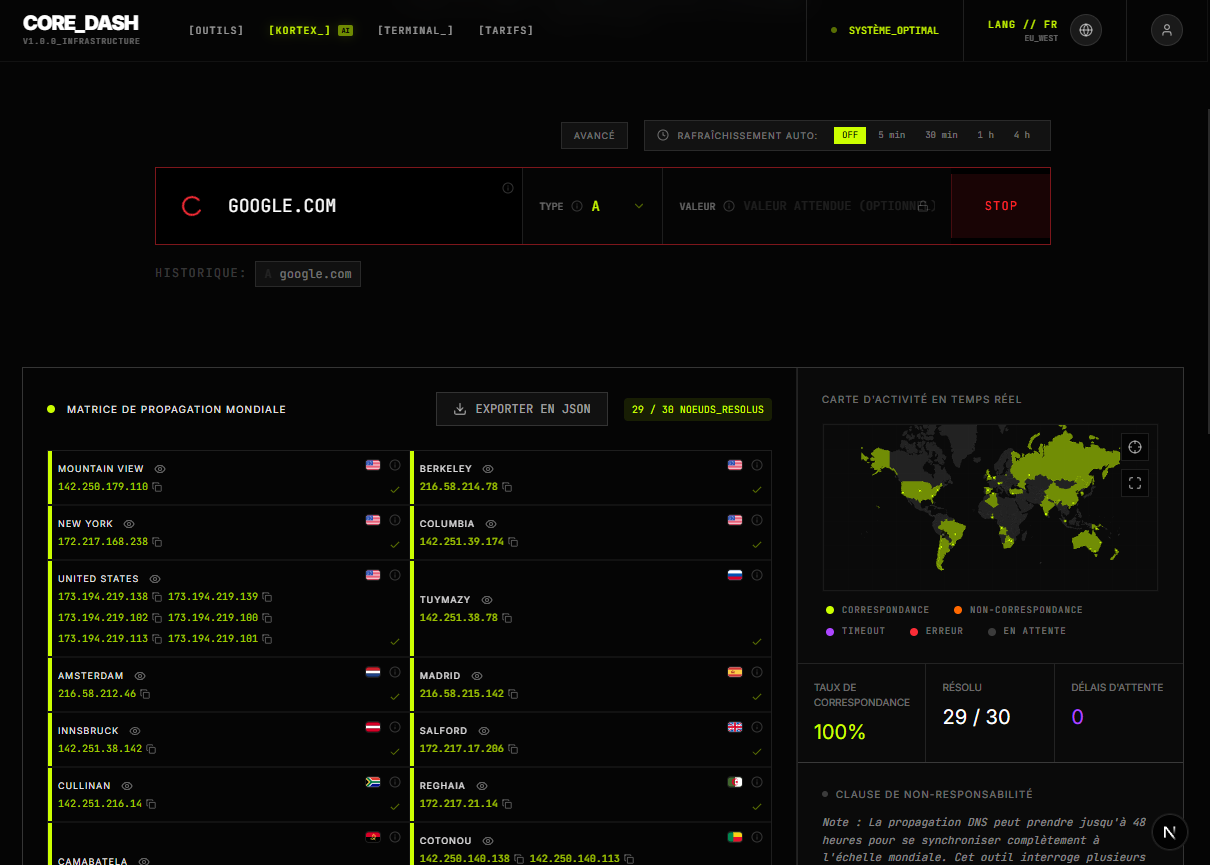
Core Dash DNS propagation tool.
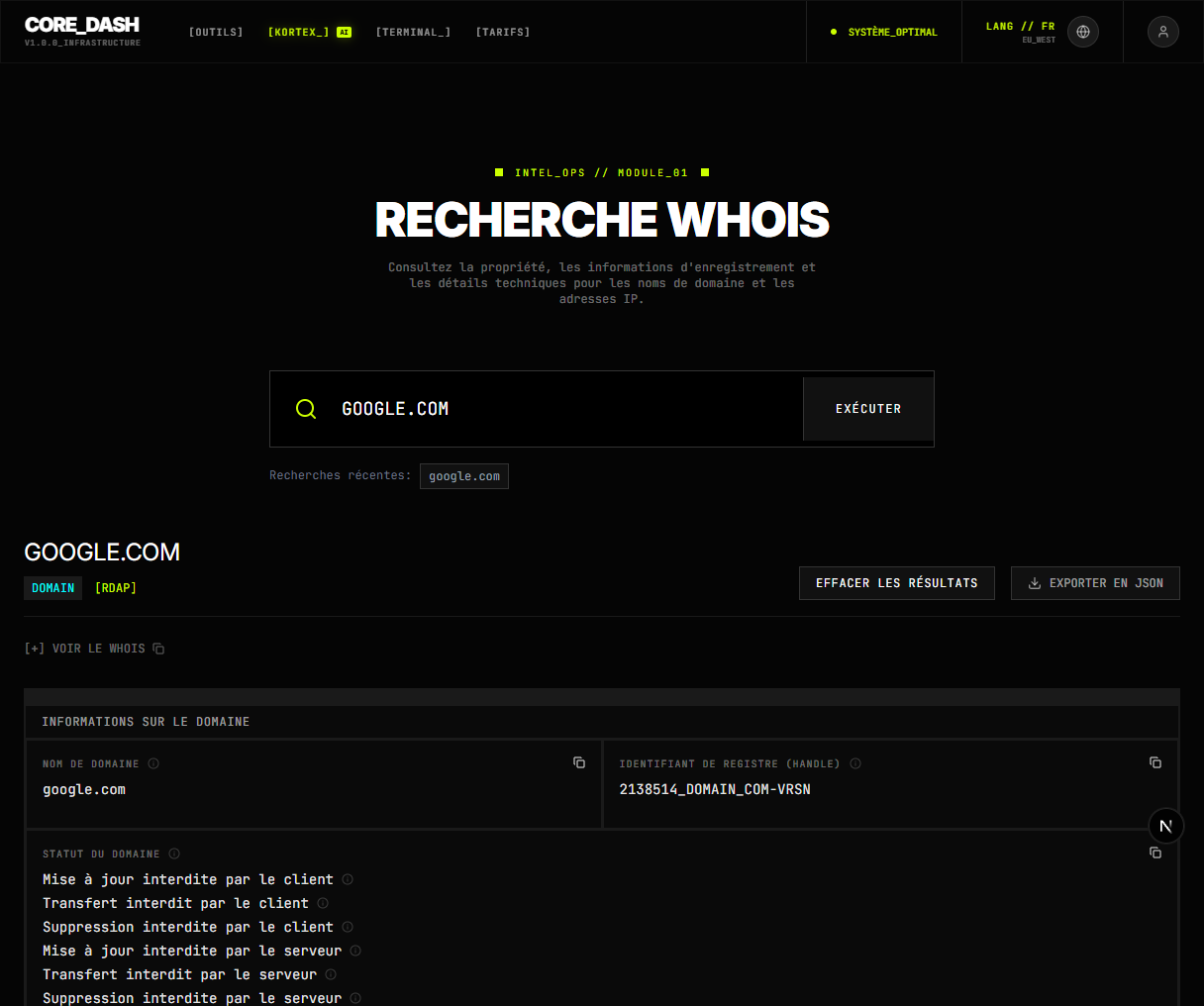
Core Dash WHOIS lookup tool.
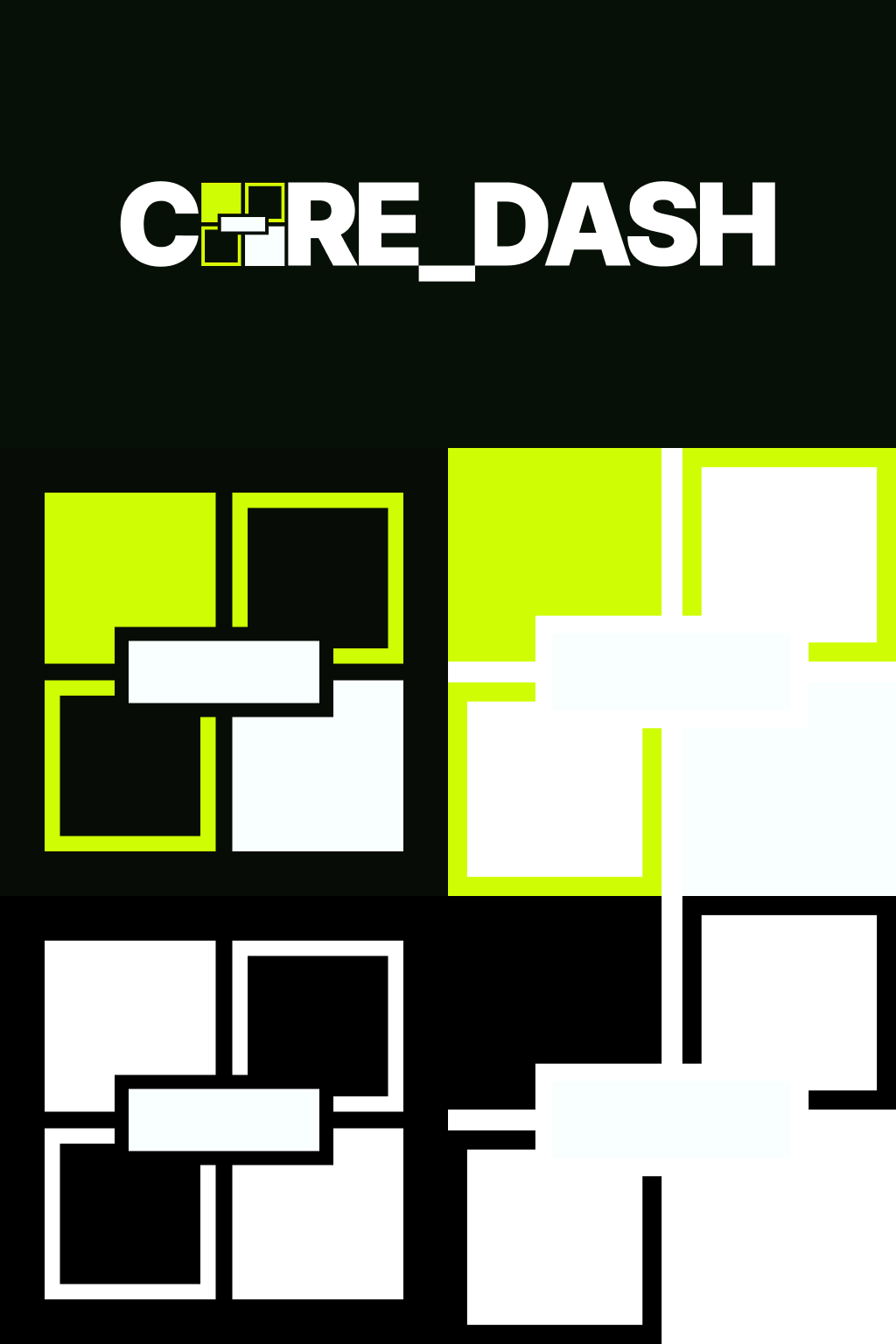
Core Dash branding with an AI-generated logo, then vectorized.
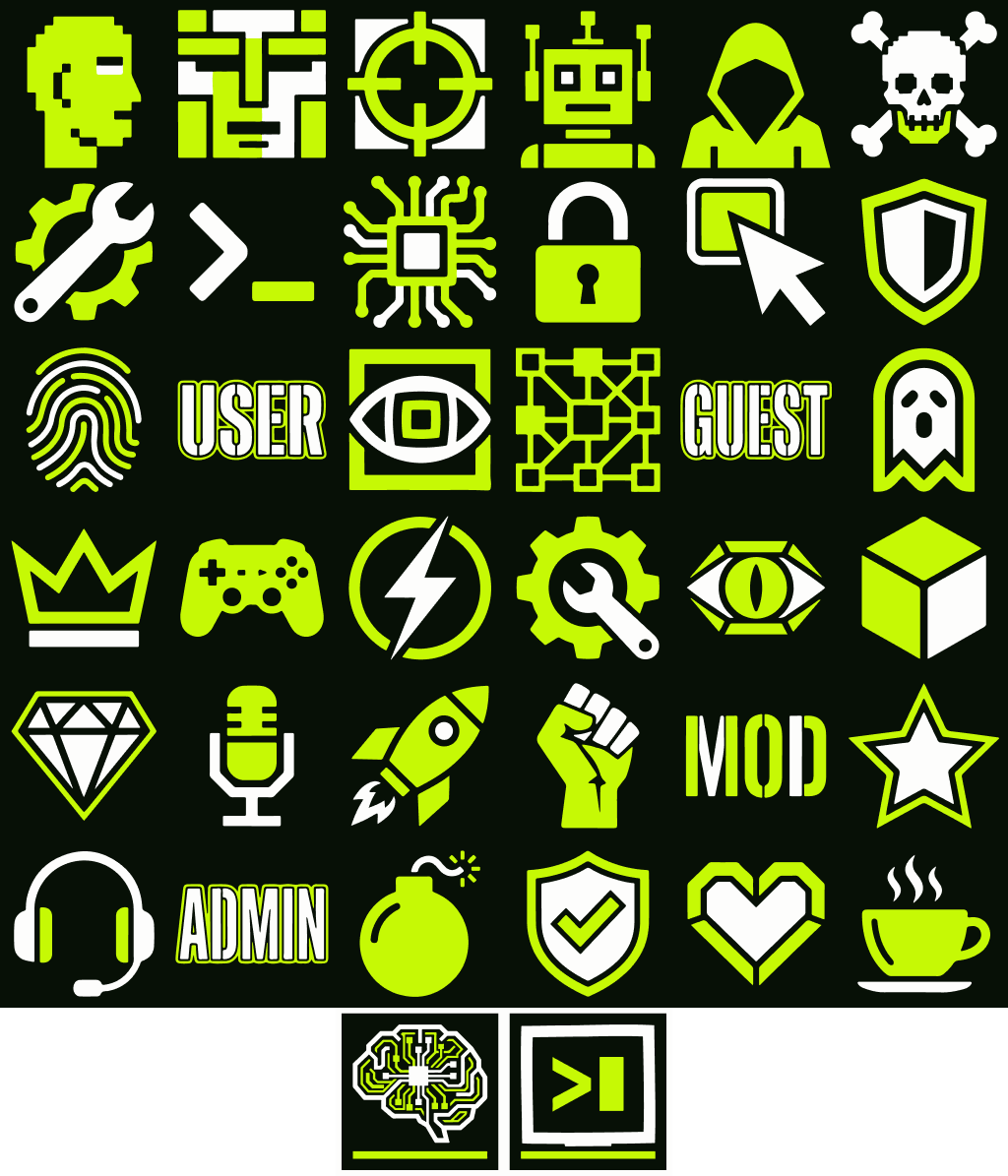
Core Dash avatars generated with AI, then vectorized.

 Dash Systems
 Aeromodel