 ONE m2m
From: 05/2021 - To: 07/2021 - (2 Months)
Internship project at the Inria public research institute for the University of Nice Sophia Antipolis
Sophia Antipolis, France (South of France)
Automated Deployment of IoT Infrastructures
Integration of the oneM2M Standard
Abstract
This project involved developing a Java plugin within the open-source OM2M implementation to automate the deployment and management of sensors. The main objective was to adapt an existing IoT infrastructure ('Ecovid'), initially based on the MQTT protocol, to make it compatible with the international interoperability standard oneM2M. The plugin ensures automatic configuration of devices, dynamic creation of resources, and secure reporting of environmental measurements.
Company
- Organization: Inria (French National Institute for Research in Computer Science and Automation), Sophia Antipolis – Méditerranée center.
- Team: KAIROS (Multiform Logical Time for the Design of Cyber-Physical Systems).
- Domain: Advanced research in embedded systems, real-time systems, and global standardization (partnerships with ETSI).
Tech Stacks

Java

C

JavaScript

Arduino

Raspberry Pi

OM2M

OSGi Equinox

Maven

oneM2M

MQTT
HTTP RESTful
CoAP
DHCP

Mosquitto (Broker MQTT)

Eclipse IDE (RCP/RAP)
Modernizing Smart Building Management with oneM2M
Context: From Pure MQTT to Global Interoperability
Initially, the 'Ecovid' project operated in a closed environment: sensors communicated via MQTT requests to a database without any standardized structure. My role was to add a higher level of abstraction by using the oneM2M standard. This standard allows any connected device, regardless of its manufacturer, to communicate within a unified architecture, thus avoiding closed proprietary solutions.
Designing a Hierarchical Architecture
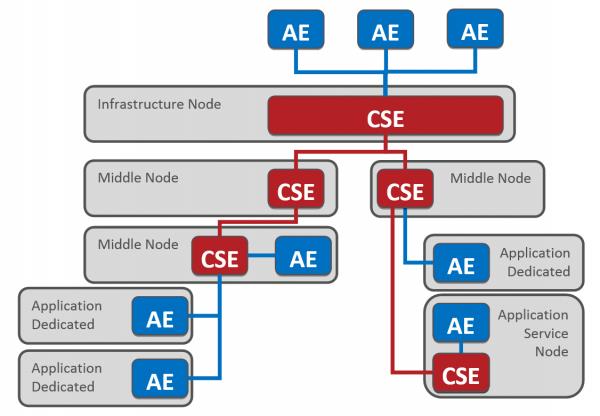
To integrate this standard, I had to structure the network into several types of logical nodes defined by the specification:
- ASN (Application Service Node): The on-site 'BOX' devices that collect data.
- MN (Middle Node): The building and campus gateways that handle routing.
- IN (Infrastructure Node): The central server hosting the configuration database.
Development of the Java Plugin
The core of my work was the development of a plugin named org.eclipse.om2m.deployment.service. This plugin uses the OSGi framework, allowing it to be installed, started, or updated without ever restarting the entire system.
Key Features Developed
- Auto-Configuration: The plugin retrieves the BOX IP and MAC addresses, subscribes to a configuration MQTT topic, and automatically generates the required resources (Containers, Application Entities) in the oneM2M resource tree.
- Measurement Management: Transformation of JSON data streams from sensors (Temperature, CO2, RFID) into oneM2M resources accessible via a REST API.
- Security: Implementation of separated MQTT channels (configuration vs data) and management of DHCP lease renewal to maintain connectivity.
Technical Challenges and Learnings
One of the main challenges was diving into the technical specifications of the oneM2M architecture, which represent thousands of pages of documentation. I also had to fix interoperability issues in existing projects where JSON attribute prefixes (e.g., m2m:cin) were missing, causing parsing errors.
This internship allowed me to move from theory to practice on cutting-edge technologies while discovering the rigor and high standards of the research environment at Inria.
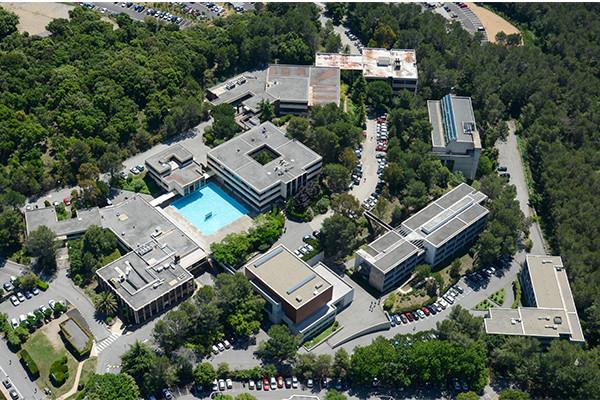
Inria building at Sophia Antipolis (South of France)
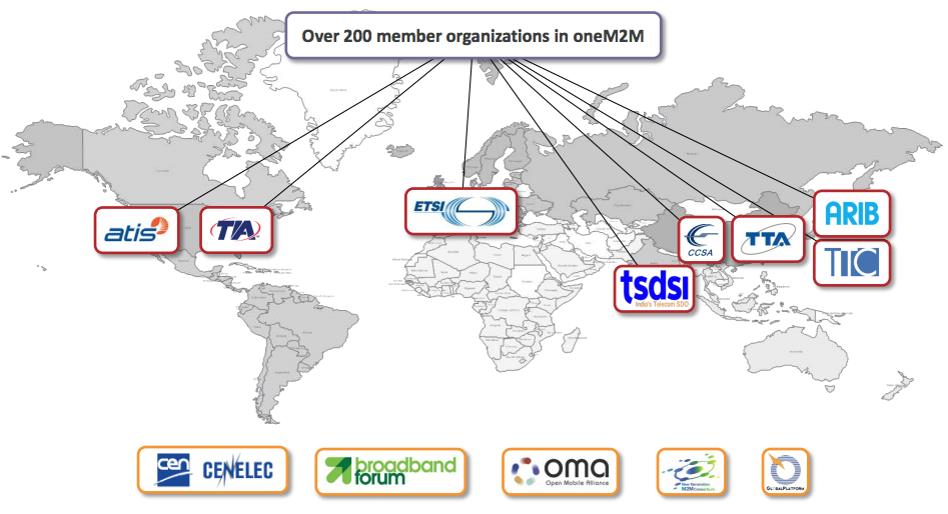
oneM2M Consortium with over 200 members worldwide
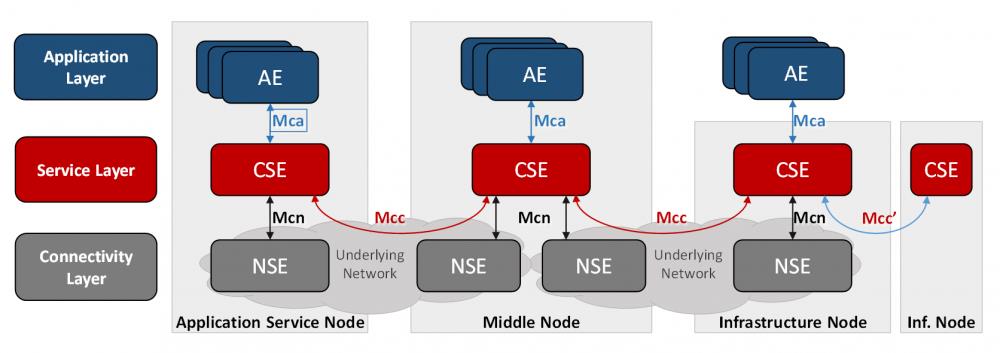
oneM2M hierarchical architecture with ASN, MN, and IN nodes

 Core Dash
 Dash Systems
 Aeromodel